

10 Small Nutrition Habits That Make a Bigger Difference Than You Think
Nutrition advice can often feel overwhelming, yet long term health is rarely shaped by a single diet or short term change. It develops through consistent habits. Many of the most meaningful nutrition habits are small adjustments that become part of everyday routines.
Here are ten nutrition habits that can make a meaningful difference over time.

1. Start the day with protein
Protein helps regulate appetite and supports muscle maintenance, which is an important part of metabolic health. Beginning the day with protein can also reduce the likelihood of energy crashes or excessive snacking later in the morning. Adding some protein to a breakfast with carbohydrates will also blunt the glucose spike in the blood, for example, adding plain yogurt to granola.
Other choices might include eggs, Greek yogurt, tofu, cottage cheese, or protein rich smoothies paired with whole foods. Just remember that smoothies can be high in calories, as the fiber is stripped from the fruit. Smoothies are a great “sometime” treat.
2. Add fiber before removing foods
Many nutrition conversations focus on what to eliminate. A more effective approach is often to focus on what to include.
Fiber supports digestion, helps regulate blood sugar, and contributes to fullness after meals. Foods such as vegetables, legumes, whole grains, fruits, and nuts are excellent sources.
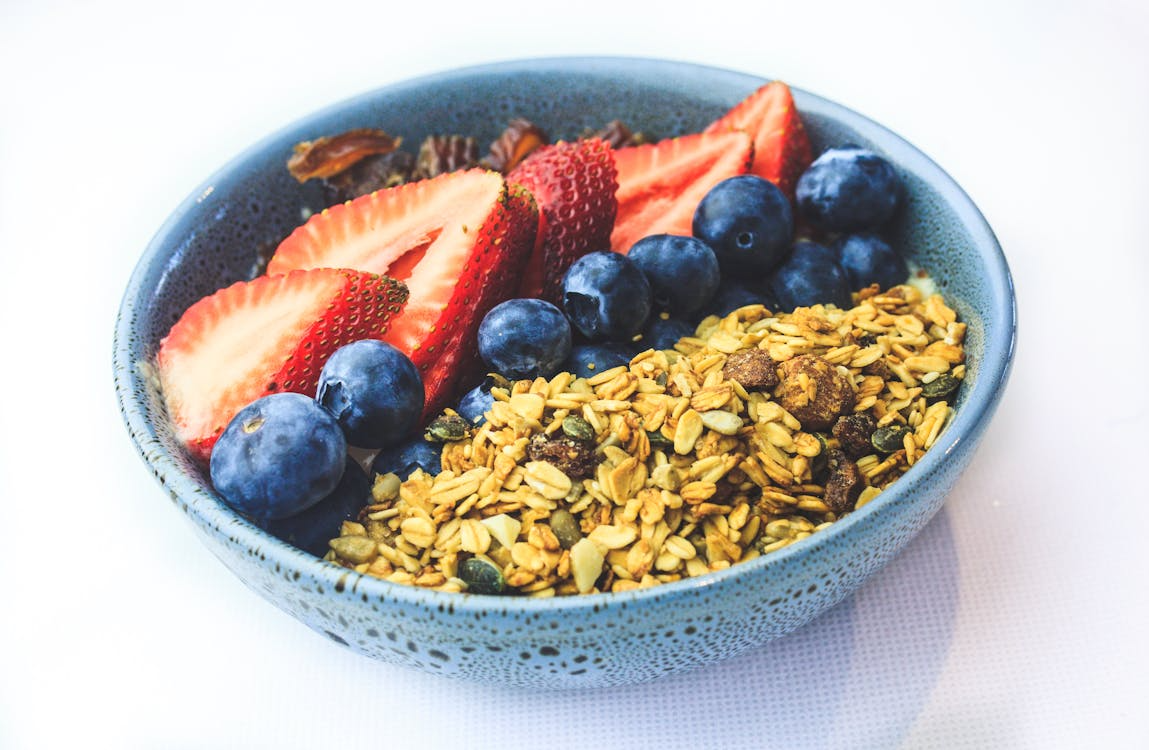
Increasing fiber intake can gradually shift overall eating patterns without the pressure of strict restriction. Always opt for seeded breads as opposed to those stripped of fiber. Adding chia seeds or flax seeds to your cereal or yogurt is an easy way to increase fiber.

3. Drink water before your second cup of coffee
Hydration plays a meaningful role in energy levels, concentration, and digestion. Many people start their day with coffee but overlook water.
Drinking a glass of water before a second cup of coffee can help maintain hydration and support overall metabolic function throughout the day.

4. Build meals around whole foods first
When meals begin with whole foods such as vegetables, lean proteins, whole grains, and healthy fats, it becomes easier to maintain balanced nutrition.

5. Eat slowly enough to notice fullness
The body requires time to register satiety signals. When meals are rushed, it becomes easier to eat past the point of fullness.
Eating slowly, even if only by pausing between bites or putting utensils down occasionally, allows the body to communicate when it has had enough.
6. Keep consistent meal timing when possible
Regular eating patterns can help stabilize energy levels and support blood sugar regulation. Skipping meals often leads to larger meals later in the day or increased snacking.
Consistency does not require rigid schedules, just relatively predictable meal timing when possible.

7. Include healthy fats in meals
Healthy fats support satiety and contribute to nutrient absorption. Foods such as avocados, olive oil, nuts, seeds, and fatty fish provide essential fatty acids that support overall health. If fish is not in your diet, consider adding fish oils, rich in omega-3 fatty acids.
Balanced meals that include protein, fiber, and healthy fats often keep people satisfied longer.
8. Plan one balanced meal each day
Not every meal needs to be perfectly planned. Focusing on creating one balanced meal each day can serve as a foundation for consistent nutrition.
This might be dinner prepared at home, a thoughtful lunch break, or a well balanced breakfast.

9. Avoid skipping meals during busy days
Work schedules, travel, and daily responsibilities often interrupt normal eating patterns. Skipping meals can lead to sudden drops in energy and increased hunger later.
Keeping portable foods available such as fruit, yogurt, nuts, or protein rich snacks can help maintain steady nutrition during busy days.
10. Focus on patterns, not individual meals
One meal rarely defines overall health. What matters more is the pattern that develops across days and weeks.
A balanced approach to nutrition leaves room for flexibility while still supporting long term health goals.

Small Habits Shape Long Term Health
Nutrition does not require extreme change to be effective. Small, repeatable habits can support overall health. “There are a lot of opinions out there regarding nutritional habits. Do not let this be a deterrence. Cutting out sugary sodas or juice from the diet can lead to one pound of weight loss a week,” says Dr. Dyan Hes, Chief Medical Officer of eMed.
A good place to start is the grocery store. Dr. Dyan Hes, recommends going in with a healthy shopping list and focusing on the perimeter of the store. “That’s where the fresh, whole foods are typically located,” she says. “It helps fill the cart with healthier choices and limit ultraprocessed foods.”
National Nutrition Month serves as a reminder that meaningful improvements often begin with simple steps. Focusing on sustainable habits rather than perfection can make healthy choices easier to maintain throughout the year.