
Risk is Silent. Our Results Aren't.

Testing on your terms
Our convenient, at-home blood collection uses gentle suction to collect a small amount of blood.
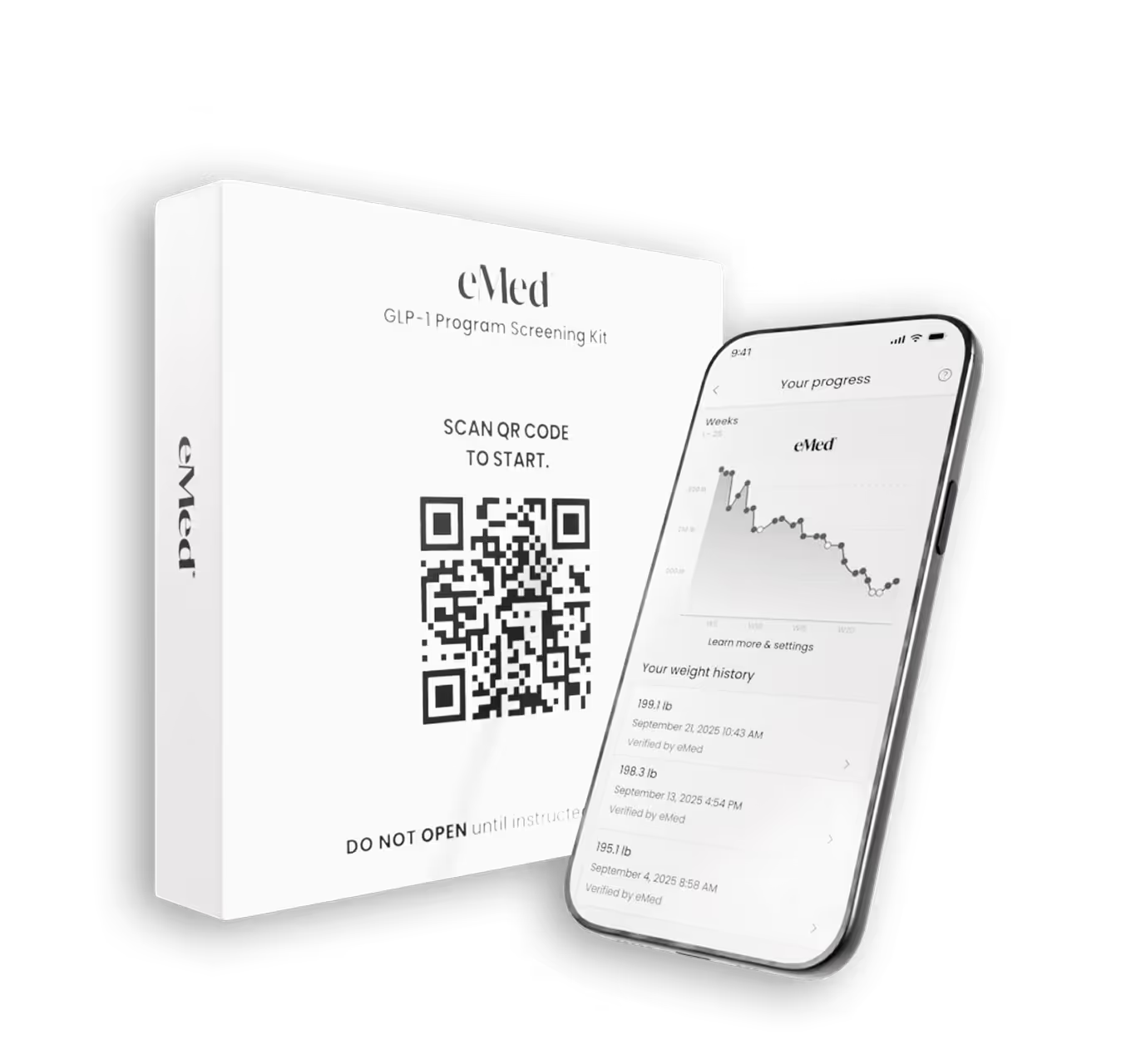
The scale only tells half the story

Diabetes risk
About 11.3% of U.S. adults have diagnosed diabetes.¹
.png)
Liver health
Being overweight, having high blood sugar or cholesterol, can raise your risk of liver disease.³
.png)
Cardiovascular risk
Heart disease is the #1 cause of death in the U.S.²
.png)
Thyroid health
10-20% of U.S. adults experience thyroid dysfunction.⁴
¹ CDC, National Center for Health Statistics, Data Brief #516, November 2024
² AHA, Heart Disease and Stroke Statistics Update, 2025
³ ADA, Diabetes Spectrum Journal, Vol. 37, 2024.
⁴ ATA, Clinical Thyroidology for the Public, Vol. 16 No. 8, 2023.
Tracking 9 key biomarkers
.png)
Creatinine is derived from muscles and released into the blood. It is removed from the body by the kidneys. When the creatinine level is elevated, a decrease in kidney function is suggested.
Hemoglobin A1c measures the average amount of blood sugar (glucose) level for the past two to three months. The blood level of glucose is tightly controlled by hormones, especially insulin produced by the pancreas. Consistently, high blood glucose is typically observed in individuals with uncontrolled diabetes or undiagnosed diabetes.
In people with diabetes, insulin is either less effective or not produced in sufficient quantity thus making it harder to manage the amount of sugar passing through the blood.
High-Density Lipoprotein (HDL) cholesterol is commonly called "good" cholesterol. Unlike other cholesterol levels, the HDL cholesterol test result is best if it is high. Elevated
HDL cholesterol is associated with decreased risk of heart disease.
A low level of HDL cholesterol can be associated with increased risk for heart disease. Genetic factors or conditions including liver disease, malnutrition, or hyperthyroidism may decrease HDL cholesterol levels. Smoking and drinking alcohol may also decrease your HDL cholesterol level.
Triglycerides are a type of fat found in a person’s blood and also in many foods. High triglyceride levels (hypertriglyceridemia) can increase the risk of heart disease and stroke.
Total Cholesterol is a combination of three types of cholesterol: HDL, LDL, and part of triglycerides. High cholesterol may put you at risk for heart disease or stroke. A low cholesterol measurement can indicate other health conditions.
It is possible for your total cholesterol to be high when your other cholesterol results are in healthy ranges. In this case, we recommend focusing on your triglycerides (if available), LDL, and HDL cholesterol results.
Nearly 1 in 3 American adults has high cholesterol. Too much cholesterol puts you at risk for heart disease and stroke, two leading causes of death in the United States. High cholesterol has no signs or symptoms, so the only way to know if you have it is to get your cholesterol checked.
Low Density Lipoprotein (LDL) cholesterol is considered "bad" cholesterol. Elevated LDL cholesterol is associated with an increased risk of heart disease. LDL cholesterol often increases with a diet high in cholesterol and saturated fats. For many people, their LDL cholesterol is based on heredity. Lifestyle choices including diet and many medications are effective in lowering the LDL cholesterol level.
A GGT (Gamma-Glutamyl Transpeptidase) blood test checks levels of this liver enzyme, mainly used to detect liver or bile duct problems (like hepatitis, gallstones, tumors) and screen for heavy alcohol use, as elevated levels signal liver stress or damage, though other factors like medications, diabetes, or heart issues can also raise it, requiring further tests for diagnosis.
An hs-CRP (high-sensitivity C-reactive protein) blood test measures low levels of inflammation in the body, primarily to assess the risk of cardiovascular disease (CVD). CRP levels rise in response to inflammation, infection, or injury, but the hs-CRP test is sensitive to the low-grade, chronic inflammation associated with heart disease.
Vitamin B12 is essential for making red blood cells, DNA, and keeping nerve cells healthy; deficiency can lead to physical, neurological, and psychological problems if untreated. B12 must come from diet, mainly animal products (meat, fish, dairy, eggs) or fortified foods; adults generally need about 2.4 mcg/day (more if pregnant or breastfeeding). Deficiency can cause megaloblastic anemia, but it’s possible to have vitamin B12 deficiency even without anemia.
The thyroid is a small gland in your neck that controls your energy and metabolism.
TSH is a hormone that tells your thyroid how much hormone to make.
If your TSH is high, your thyroid may be underactive (hypothyroidism).
If your TSH is low, your thyroid may be overactive (hyperthyroidism).
BUN measures the amount of waste from protein in your blood.Your kidneys filter this waste out through urine.
If your BUN level is high, it may mean your kidneys aren’t filtering properly.
ALT is an enzyme mostly made in the liver.
High ALT levels can be a sign of liver damage or disease.